Capsaicin & Recovery: How Heat Supports Balance, Inflammation, and Everyday Performance

Recovery is no longer a niche concept.
It’s becoming a central part of how people think about food — not just after workouts, but in everyday life. Consumers are looking for ways to reduce fatigue, manage stress, and support long-term health through what they eat.
This shift is changing how performance nutrition is defined.
It’s no longer just about energy and output.
It’s about balance, resilience, and recovery over time.
And increasingly, that conversation is moving into real food.
Beyond Energy: Why Recovery Matters
For years, performance nutrition has focused on fueling — how to increase energy, enhance output, and optimize physical performance.
But performance doesn’t happen in isolation.
It depends on how well the body can:
recover from stress
regulate inflammation
maintain balance over time
Without recovery, performance is not sustainable.
This is why recovery is becoming a key focus not just for athletes, but for everyday consumers navigating busy, high-demand lifestyles.
Where Capsaicin Fits In
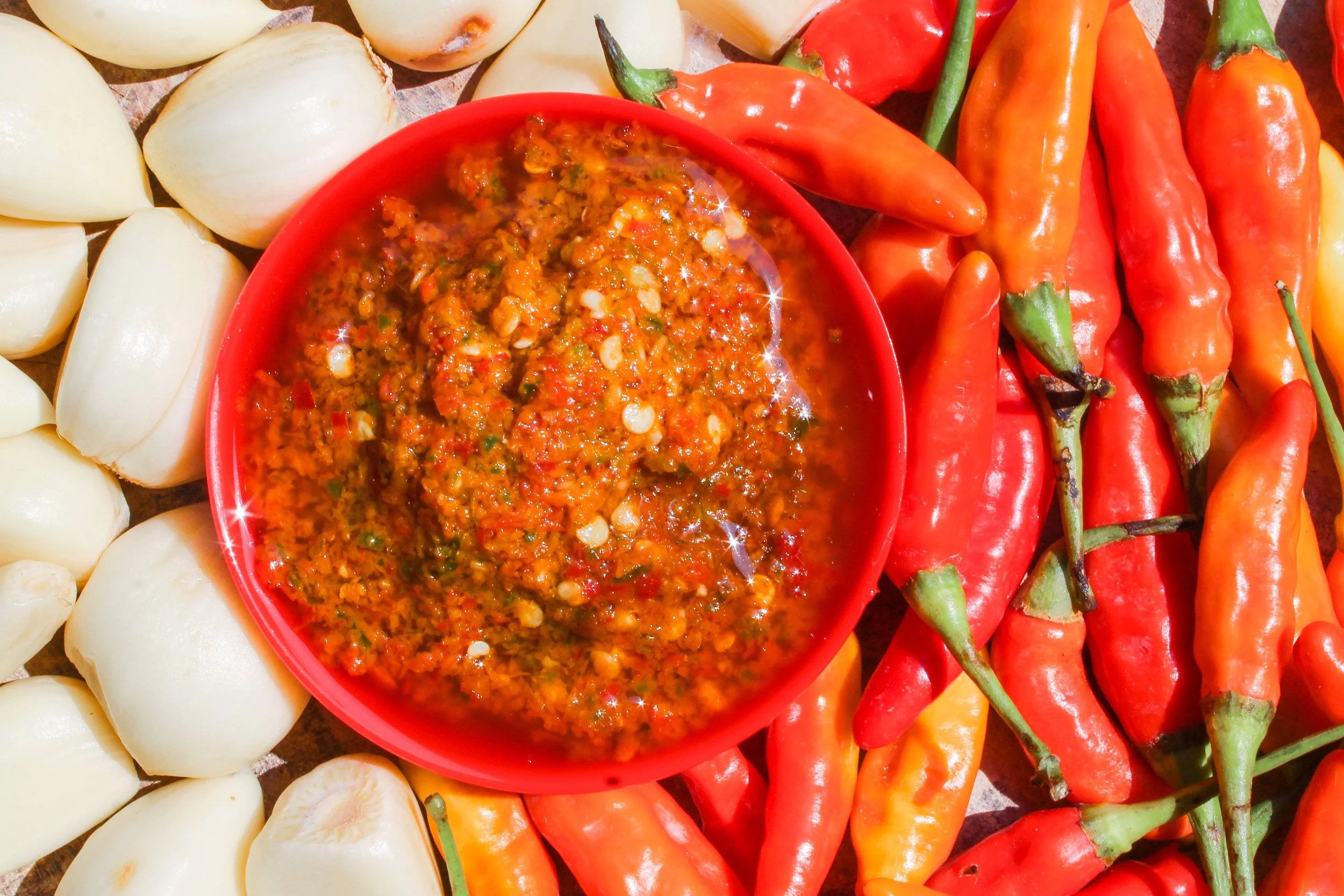
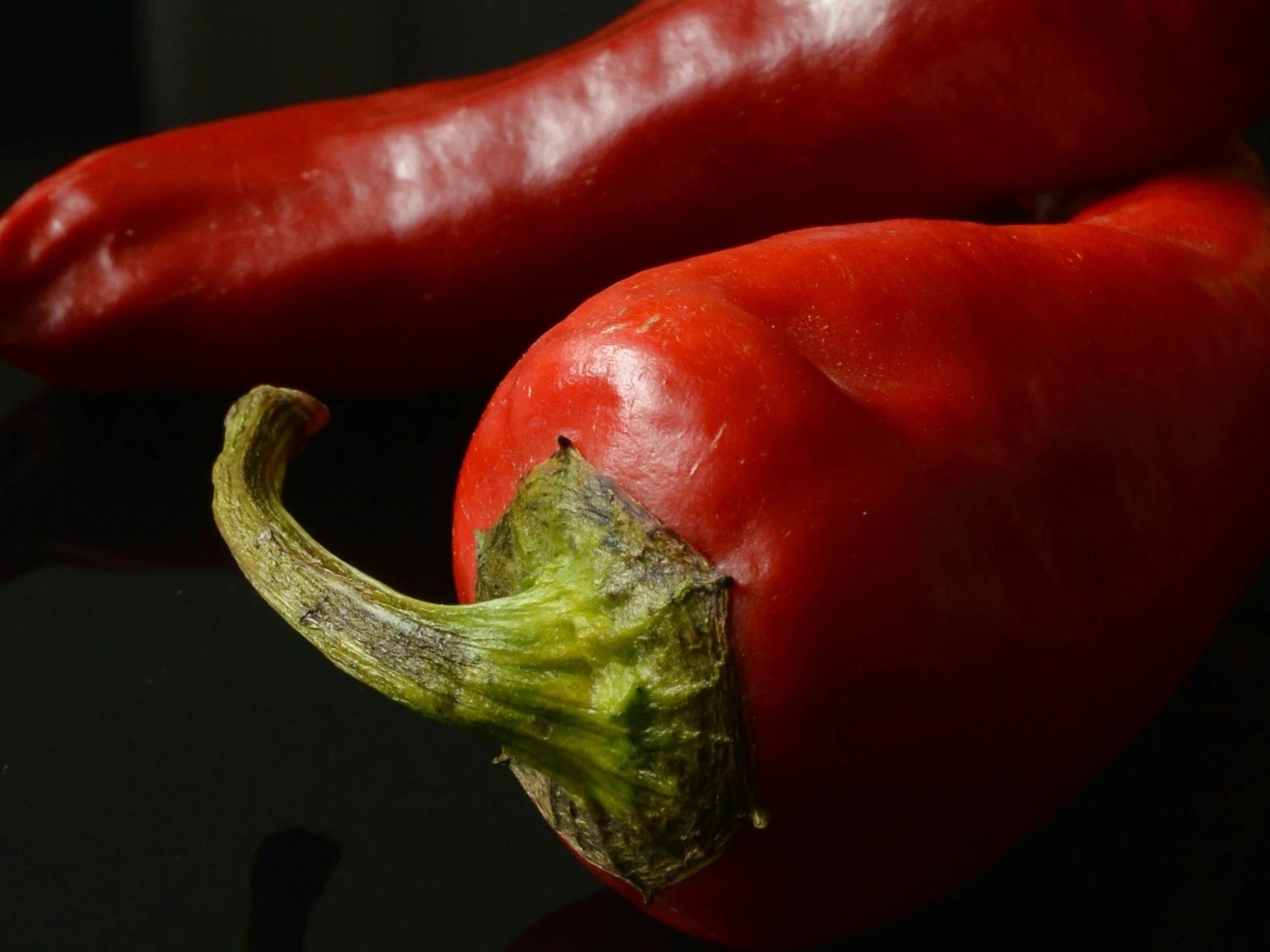
Capsaicin, the compound that gives peppers their heat, is traditionally associated with flavor. But research suggests it may also play a role in how the body responds to stress and inflammation.
Capsaicin interacts with receptors (TRPV1) that are involved in regulating inflammatory responses and metabolic processes¹.
Studies have explored its potential to:
reduce markers of inflammation
help manage oxidative stress
support overall metabolic balance¹
While the science continues to develop, the implication is clear:
Ingredients that enhance flavor may also support how the body recovers.

From Recovery Products to Recovery Food
Historically, recovery has been addressed through:
supplements
protein shakes
targeted functional products
But that model is expanding.
Consumers are increasingly looking for recovery to be built into their daily routines — not something separate.
This is creating demand for food that:
supports the body throughout the day
integrates naturally into meals and snacks
delivers both function and enjoyment
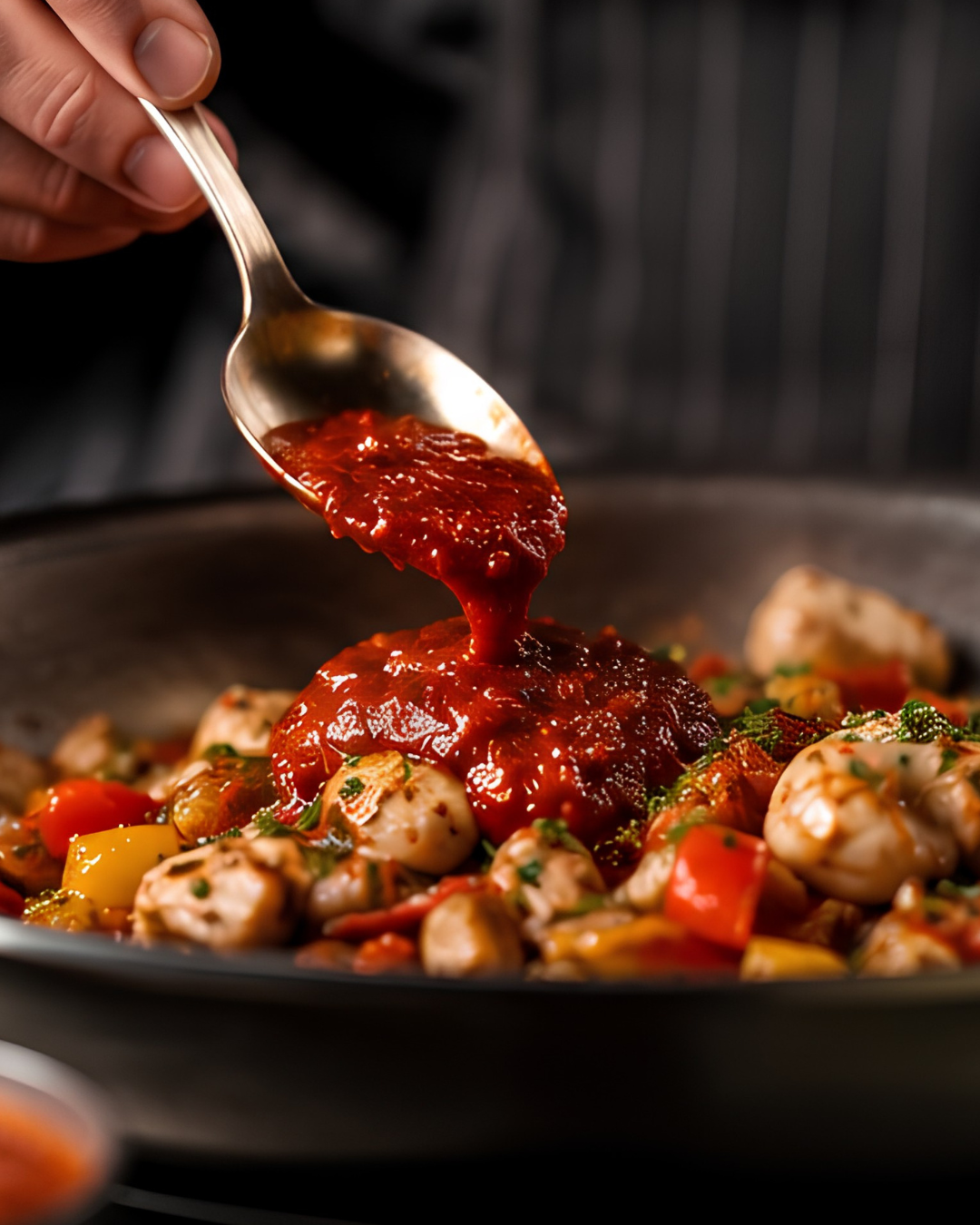
Capsaicin fits into this shift naturally, offering a way to bring recovery-supporting properties into real food formats.


What We’re Seeing in the Kitchen
At the Performance Chefs Summit at NOCHI, chefs and nutrition experts are approaching recovery differently.
Rather than focusing on isolated nutrients, they are designing food that supports the body as a system.
This includes:
selecting ingredients with functional potential
building meals that promote sustained energy and reduced fatigue
prioritizing balance over intensity
The result is food that supports both performance and recovery — not one at the expense of the other.
The Opportunity for Product Development
For brands in the performance, wellness, and functional food space, this shift opens up new possibilities.
There is an opportunity to:
integrate recovery into everyday food experiences
move beyond short-term solutions toward long-term support
create products that align with how people actually eat
Ingredients like peppers offer a unique advantage in this space — combining flavor, versatility, and emerging relevance in recovery and metabolic health.
LPE Perspective
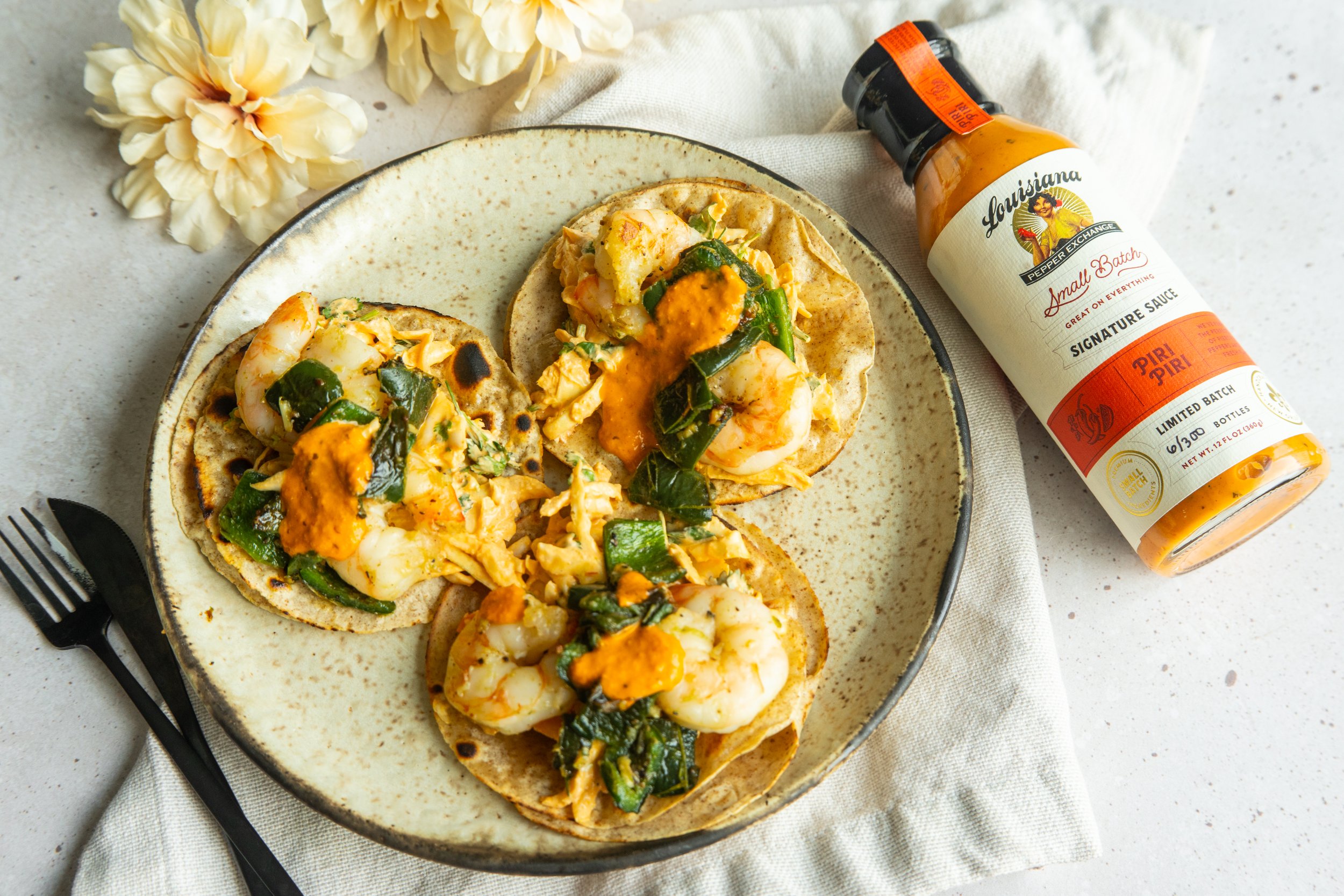
At Louisiana Pepper Exchange, we see peppers as more than a source of heat.
They are ingredients that can support a more complete approach to food — one that considers not just energy and output, but recovery and balance as well.
As the industry evolves, the opportunity is to create food that works with the body over time, not just in moments.
That’s where we partner — helping translate ingredients into products that support both performance and recovery through real food.
ADDRESS
1755 Tchoupitoulas St
New Orleans, LA 70130
sales@lapepperexchange.com
PHONE
225-665-0006
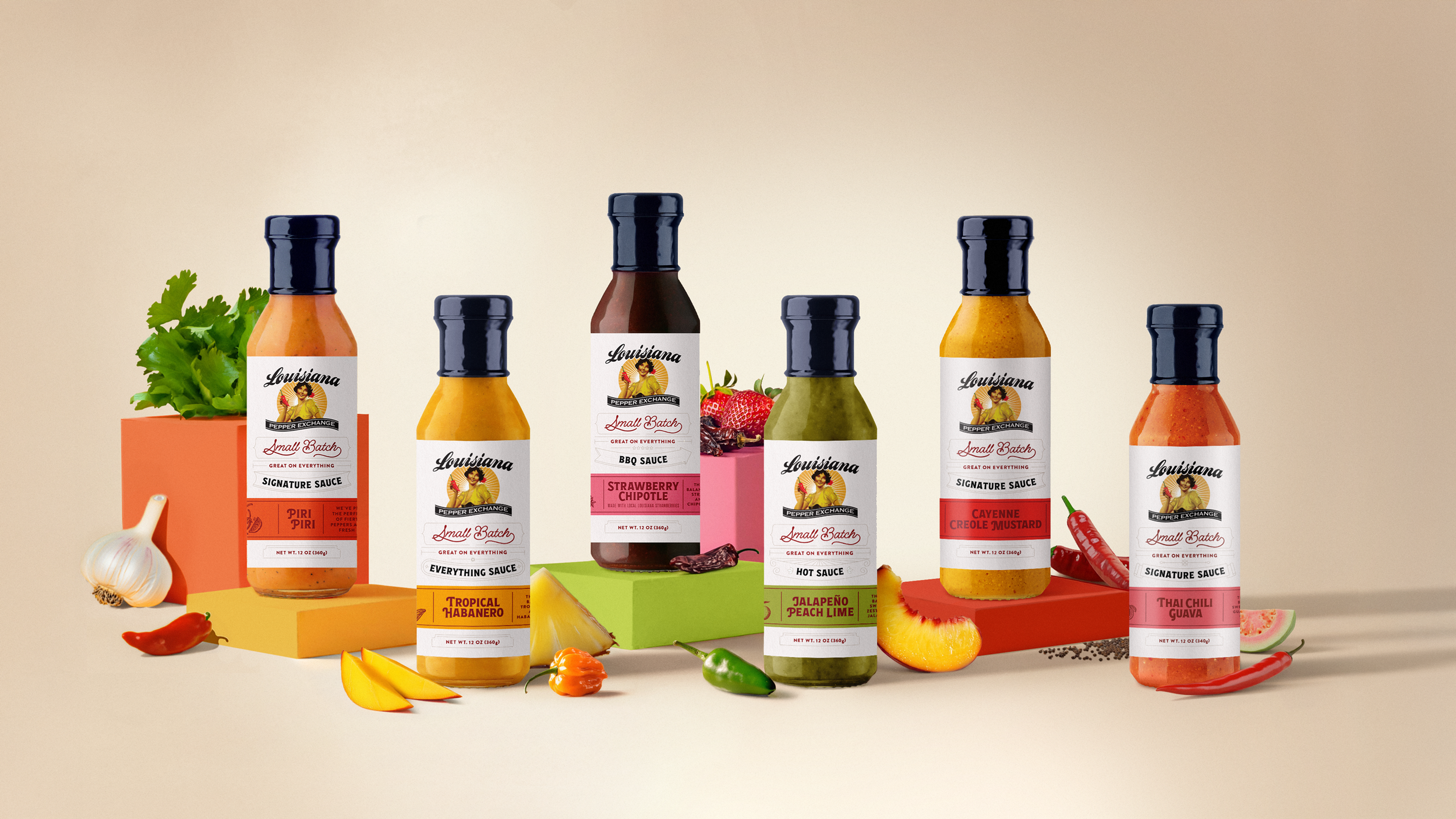
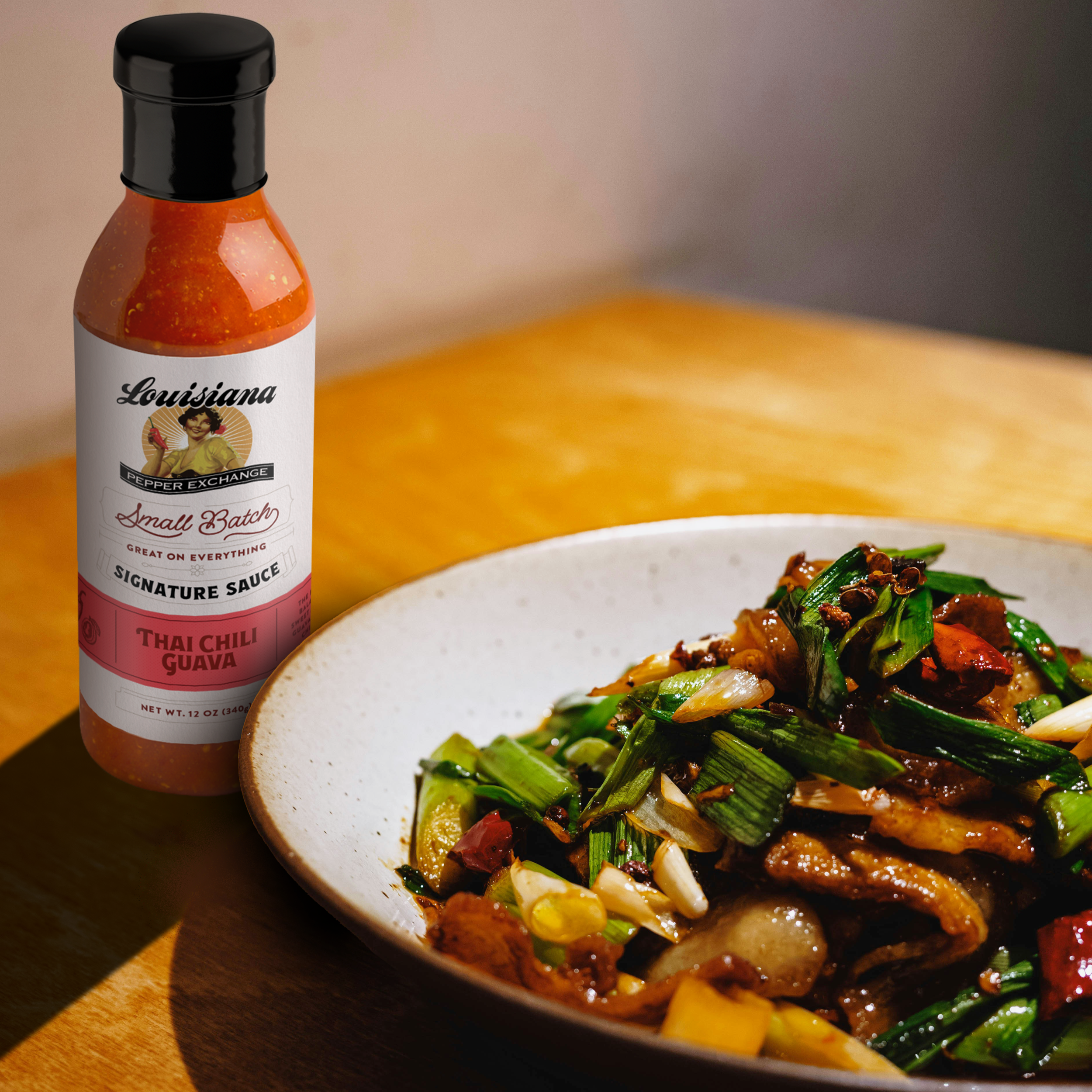
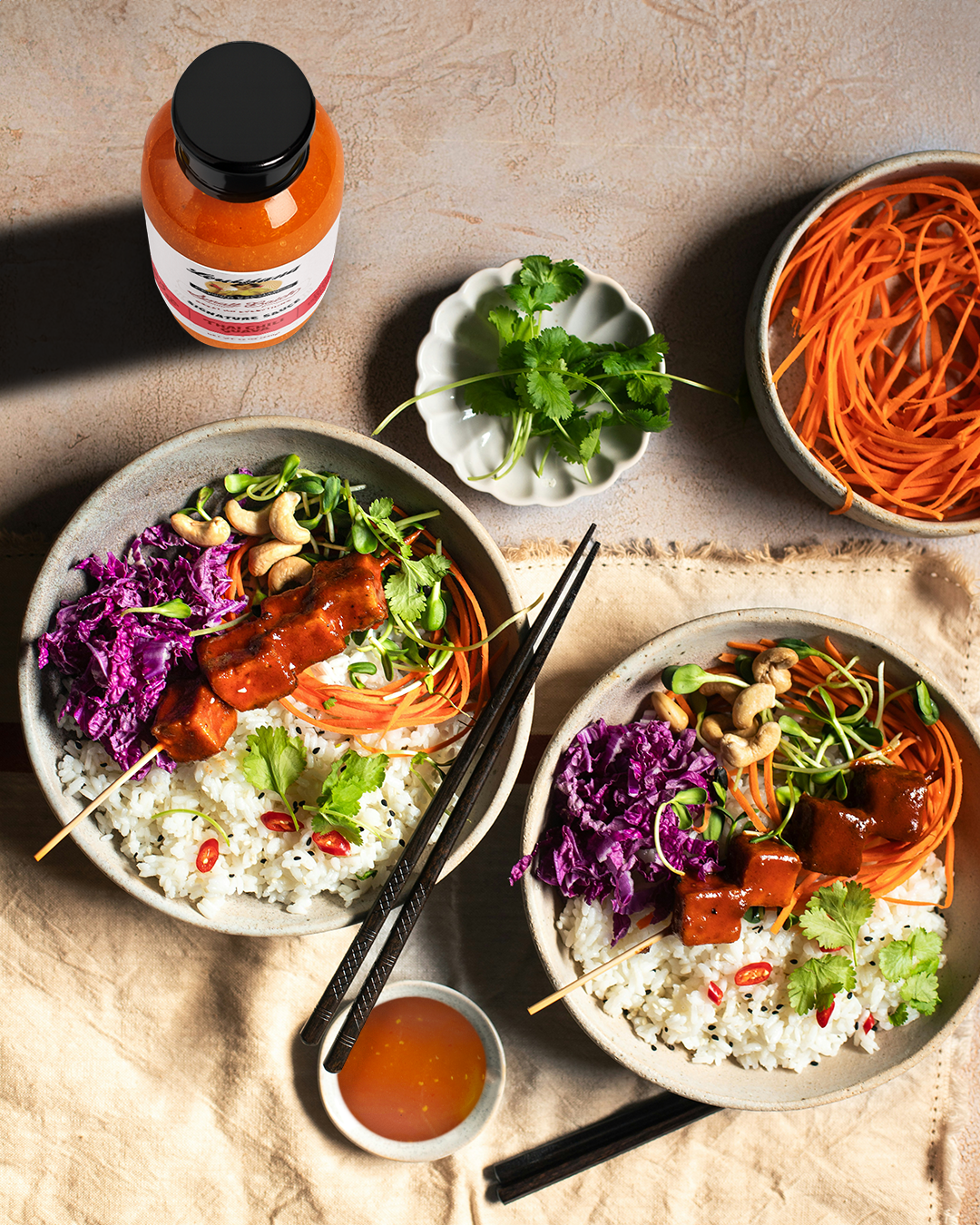
LPE’s Sauce Family
Source
¹ Panchal, S.K. et al. Capsaicin in Metabolic Syndrome, Nutrients (2018)
Continue Reading