Capsaicin & Performance: Why Heat Is More Than Flavor
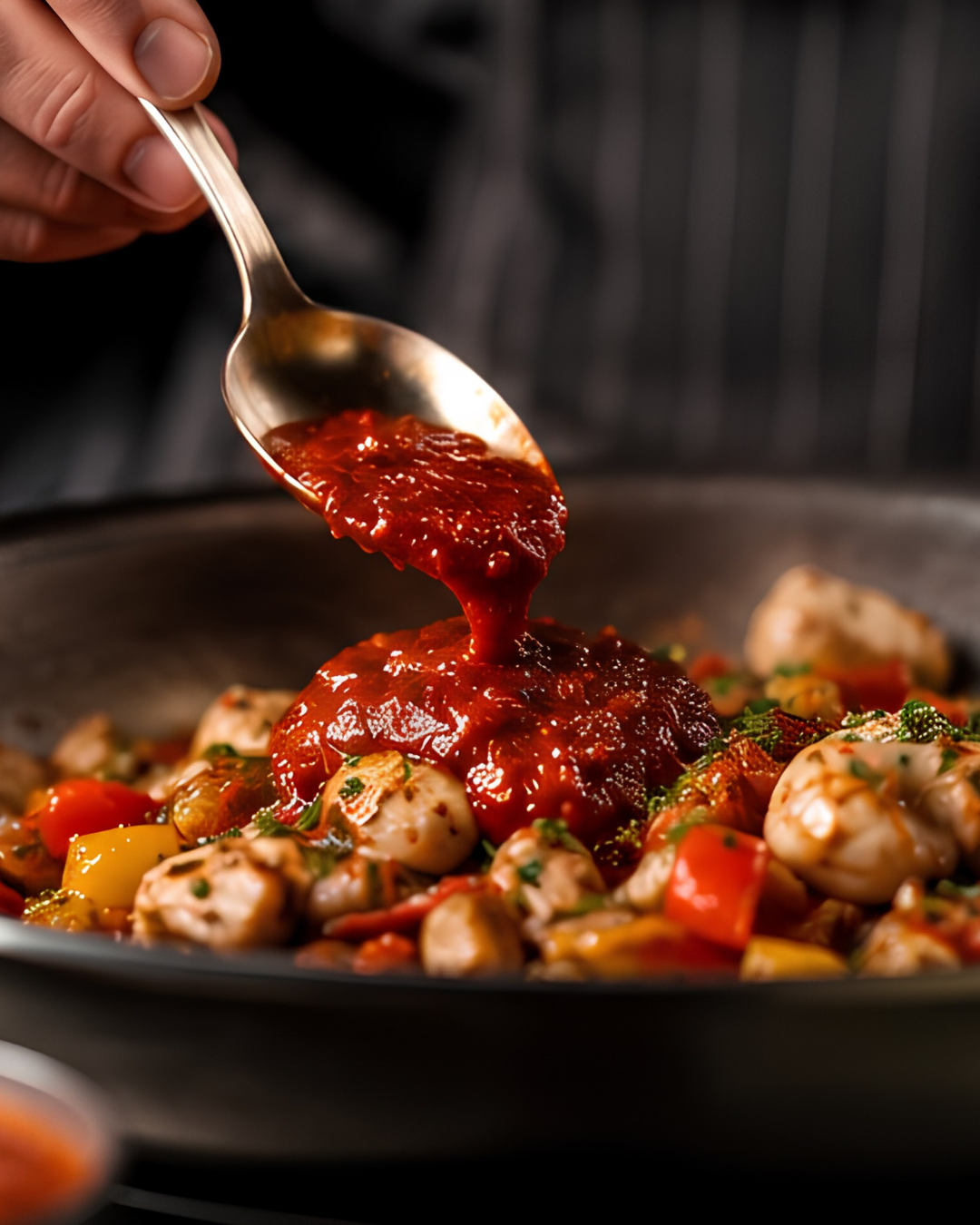
The Future of Performance Nutrition Is Being Built in the Kitchen
Performance nutrition is changing.
For years, the category has been dominated by supplements, powders, and macro-focused formulations. The goal was clear: deliver protein, optimize recovery, and fuel output.¹
But a new approach is emerging — one that’s less about isolated nutrients and more about how food actually works in the body.¹
And it’s happening in the kitchen.

From Macros to Ingredients
At a recent Performance Chefs Summit hosted at NOCHI in New Orleans, the conversation looked different from traditional sports nutrition.
Instead of focusing on protein counts or supplementation strategies, chefs and registered dietitians were working side by side to answer a more complex question:
How can real food support performance, recovery, and long-term health — while still being something people want to eat?
This shift matters.
Because performance isn’t just about what’s technically effective.
It’s about what people consistently choose to eat.

Flavor Is the Missing Link
One of the clearest takeaways from the event: If it doesn’t taste good, it doesn’t work.
No matter how functional a product is, it fails if people don’t come back to it.
This is where flavor becomes more than a sensory experience — it becomes a driver of consistency, and ultimately, results.
For brands developing in the performance and wellness space, this creates a new challenge:
How do you build food that delivers both function and craveability?

Where Heat Enters the Conversation
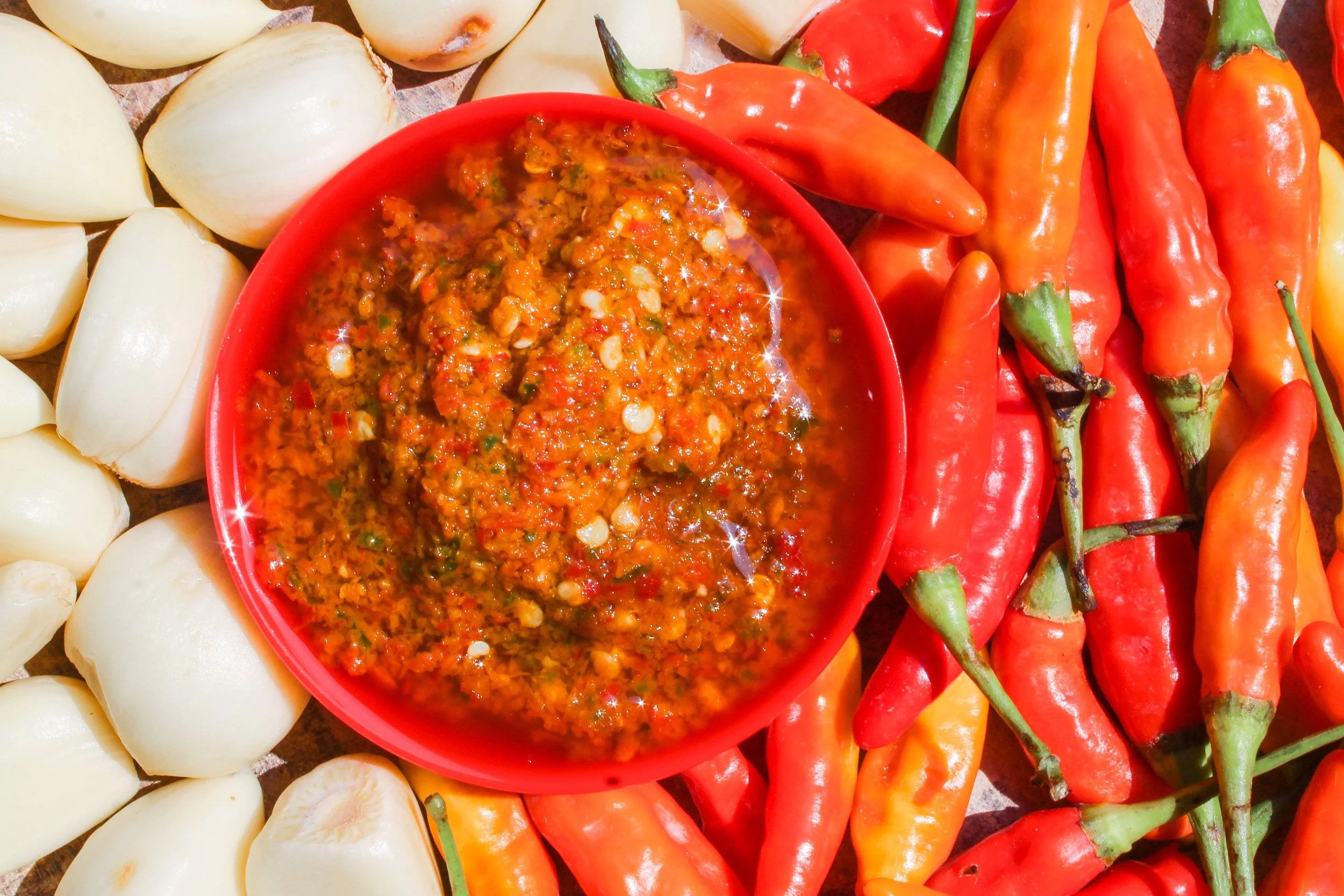
One ingredient that is starting to show up in a new way is capsaicin — the compound that gives peppers their heat.¹
Traditionally, capsaicin has been viewed purely through a flavor lens. But research suggests it plays a more complex role in the body.¹
Capsaicin interacts with receptors (TRPV1) found across metabolically active tissues, influencing processes tied to energy use and metabolism.¹
Studies have linked capsaicin to:
increased fat oxidation¹
improved insulin sensitivity¹
support for glucose metabolism
¹
While the science continues to evolve, the implication for food is clear:
Ingredients that deliver flavor may also contribute to how food functions in the body.¹


From Functional Ingredients to Functional Food
What’s different about this moment is not just the science — it’s how it’s being applied.
Chefs are not treating ingredients like capsaicin as add-ons or enhancements.
They are building dishes where:
flavor is intentional
ingredients are doing multiple jobs
and the final product feels like food first
This marks a shift away from “functional ingredients” as a separate category, and toward functional food as a complete system.
The Role of Ingredient Partners
As this shift continues, brands will need to think differently about how they source and use ingredients.
It’s no longer just about:
heat level
cost
or format
It’s about:
how ingredients behave in the body
how they interact with other components
and how they contribute to the overall eating experience
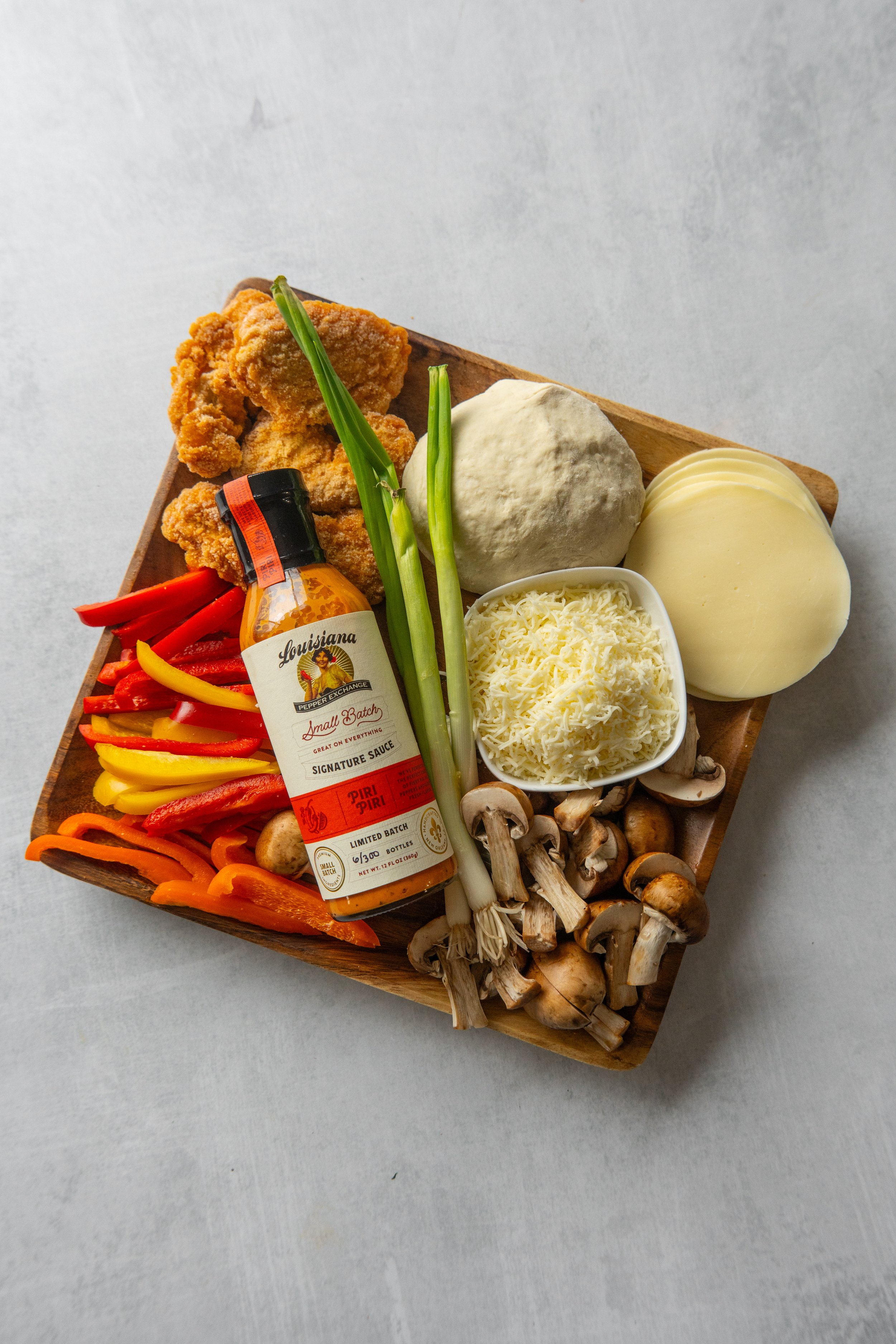
Peppers — in their various forms, from fresh to fermented mash — offer a unique opportunity in this space.
They bring:
complexity of flavor
versatility in application
and emerging relevance in functional food conversations

What This Means for Product Development
For brands exploring performance, wellness, or functional food categories, this evolution opens up new possibilities:
Building products that support energy and metabolism through real ingredients
Creating more layered, satisfying eating experiences
Moving beyond one-dimensional “functional claims” toward holistic food design
The opportunity is not just to make food that performs.
It’s to make food that people want to come back to — again and again.
Looking Ahead
Performance nutrition is no longer confined to elite athletes or supplement shelves.
It’s expanding into everyday food — shaped by chefs, informed by science, and driven by consumer behavior.
And in that future, flavor is not secondary.
It’s foundational.

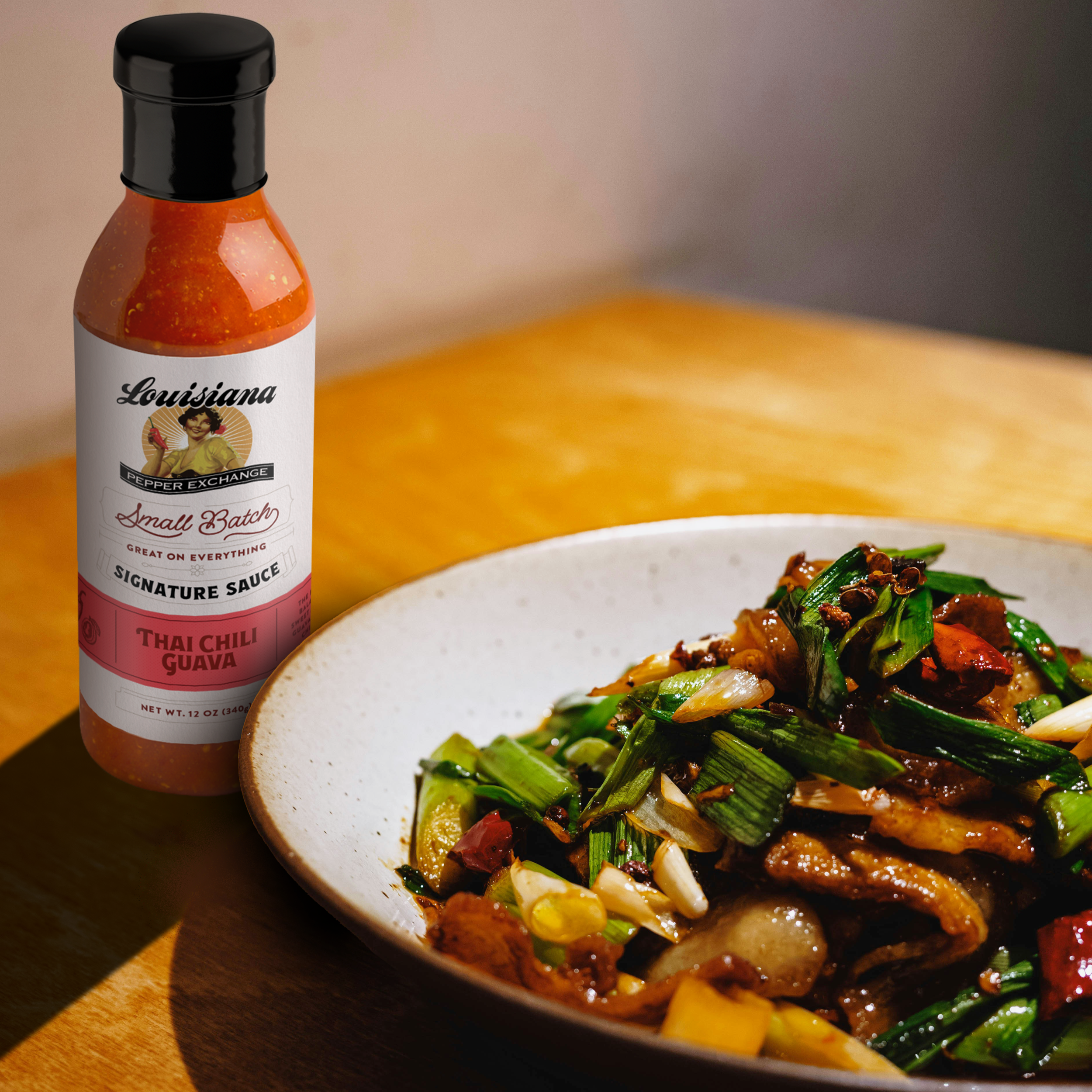
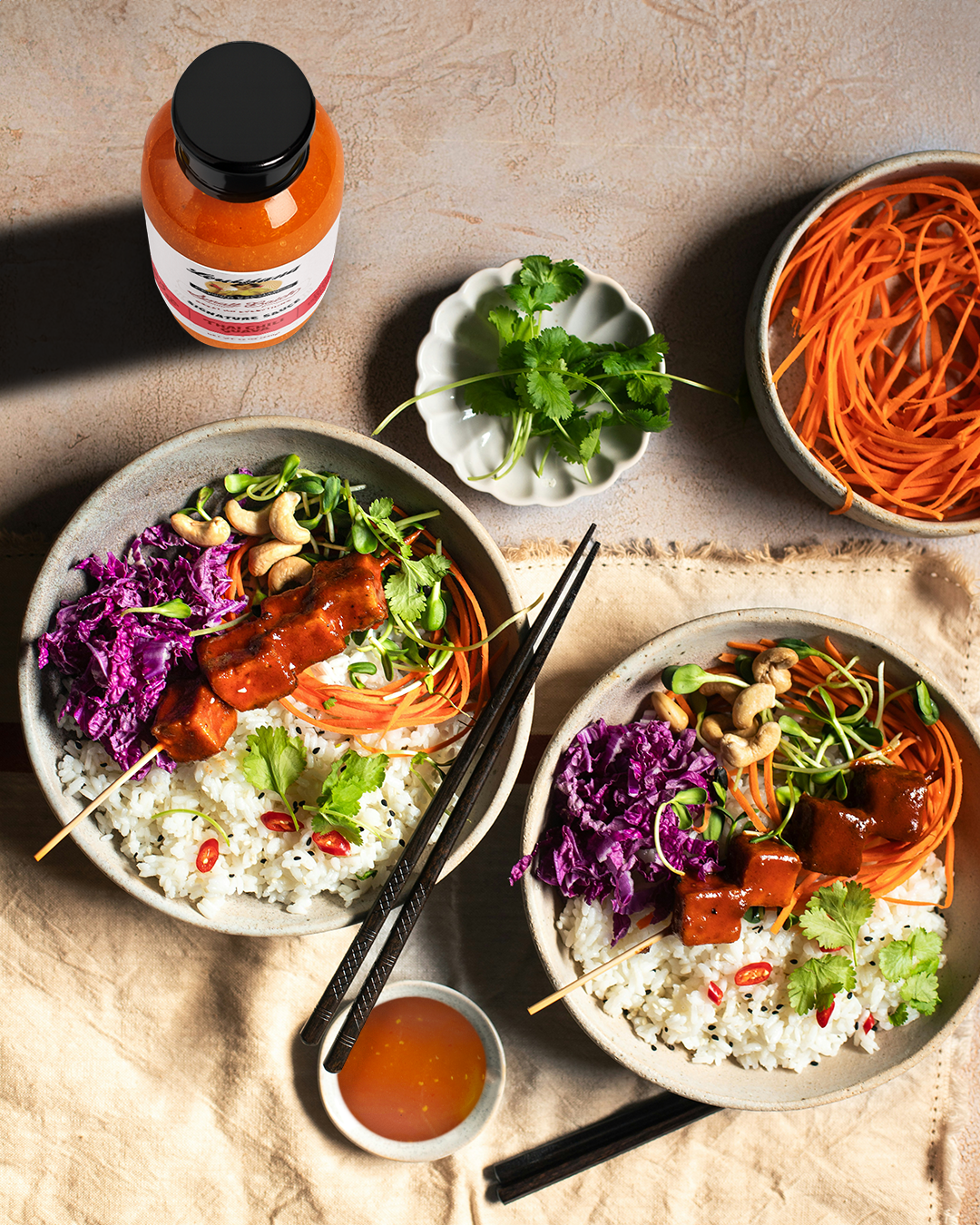
LPE’s Sauce Family
LPE Perspective
At Louisiana Pepper Exchange, we see peppers not just as a source of heat, but as part of a broader flavor system with functional potential.
As the industry continues to evolve, the role of ingredients is expanding — and so is the opportunity to build better, more thoughtful food.
That’s where we partner:
Helping translate ingredients into real-world applications that deliver on both taste and purpose.
ADDRESS
1755 Tchoupitoulas St
New Orleans, LA 70130
sales@lapepperexchange.com
PHONE
225-665-0006
Source
¹ Panchal, S.K. et al. Capsaicin in Metabolic Syndrome, Nutrients (2018)
Continue Reading