Why Chili Oil Is Becoming a Must-Have Ingredient in 2026
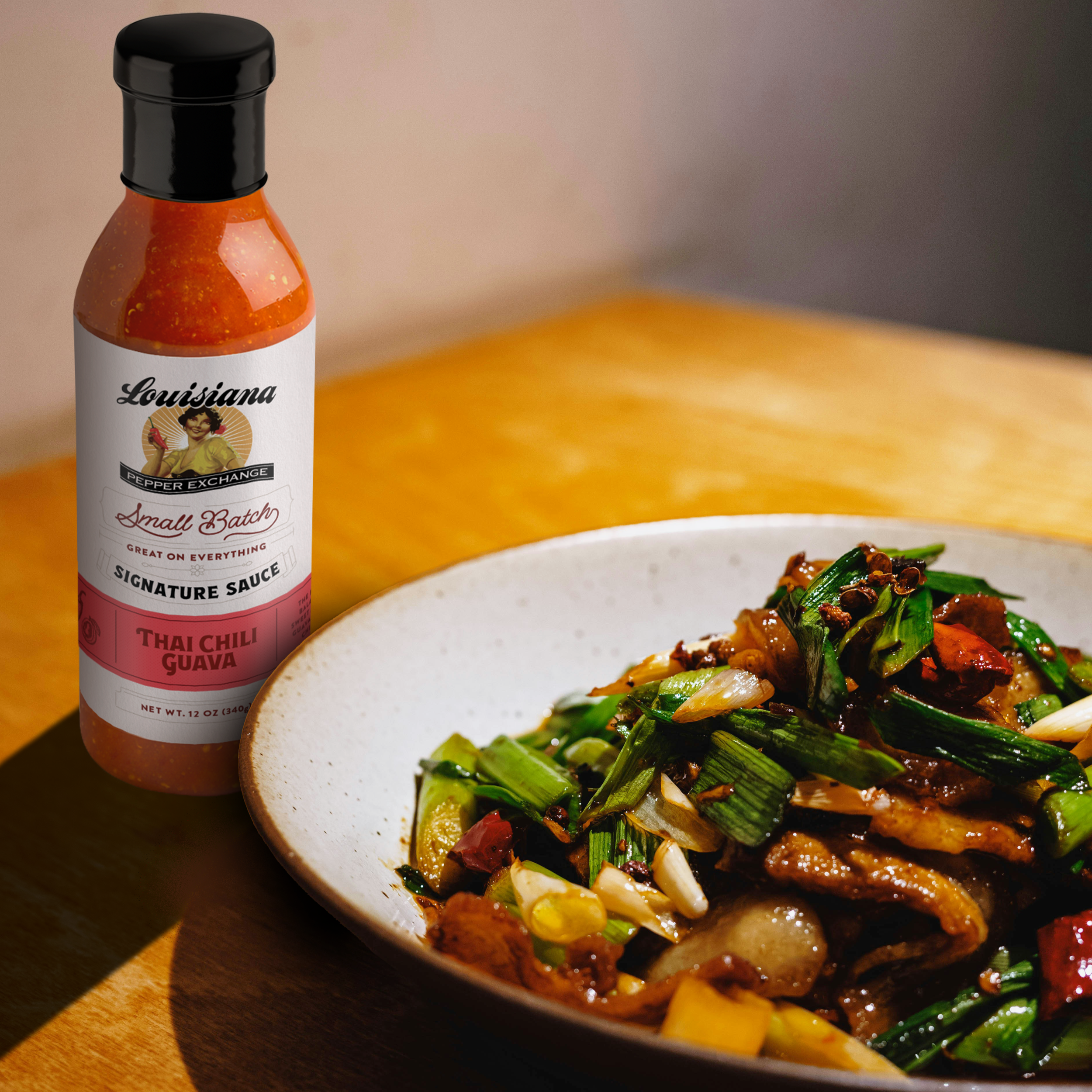
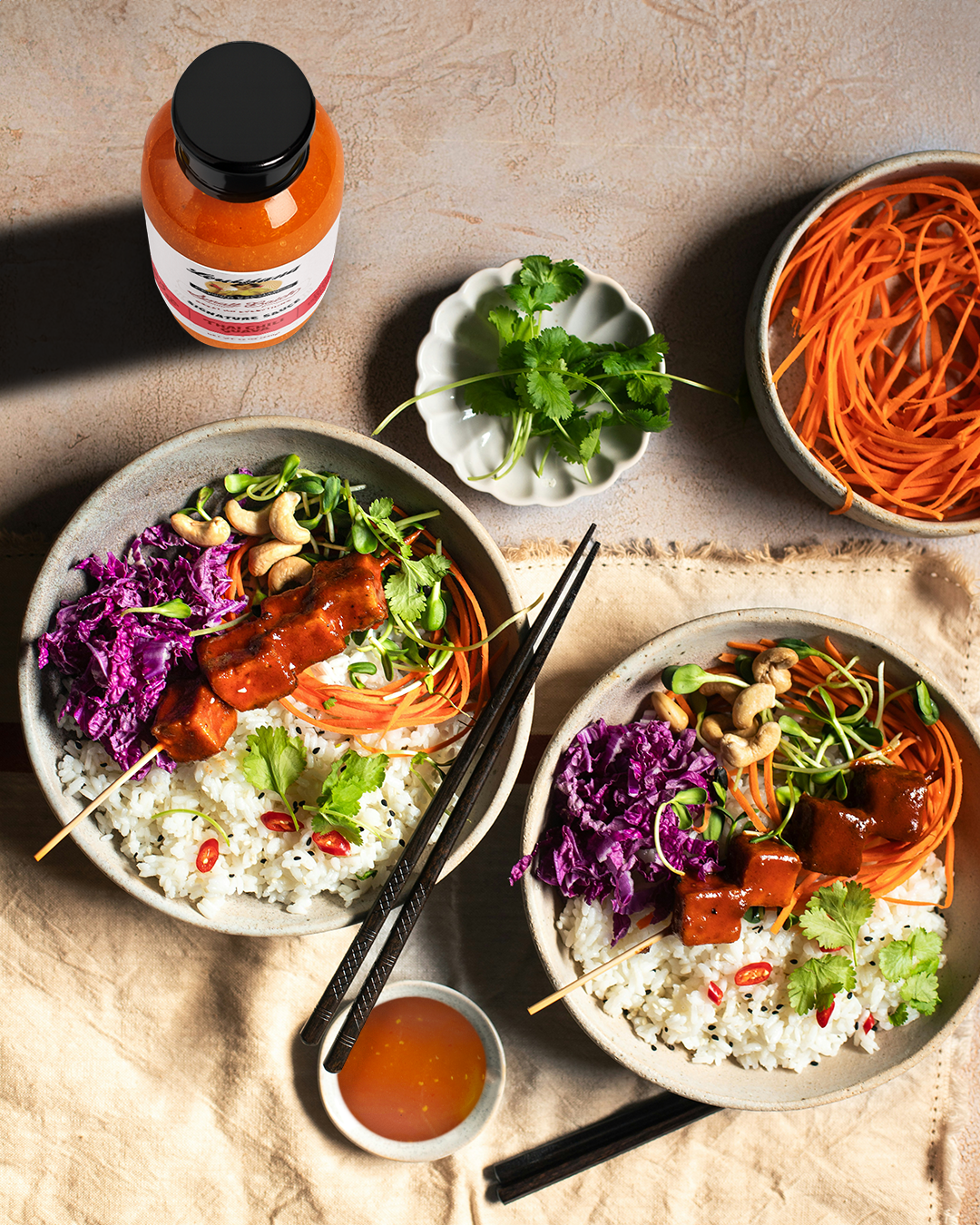
Layered Meal with Louisiana Pepper Exchange’s Thai Chili Guava Sauce
Chili oil didn’t rise because it was spicy.
It rose because it was versatile.
Silky, aromatic, and deeply flavorful, chili oil reflects one of the biggest shifts happening in heat today: spice as a customizable flavor layer, not a fixed intensity. In 2026, consumers want heat they can drizzle, finish, and build on their own terms.
From Condiment to Core Ingredient
Once associated primarily with Asian pantry staples, chili oil has evolved into a foundational heat format across categories. Today, it’s showing up in:
Prepared meals and meal kits
Snacks and popcorn seasonings
Frozen foods and ready-to-heat dishes
Finishing oils for proteins, vegetables, and grains
Its appeal lies in control. Chili oil allows consumers to decide when, where, and how much heat to add, layering flavor without overpowering the base dish.
Why Oil-Based Heat Matters More Than Ever
Oil carries flavor differently than dry spice or sauce. Chili oil delivers:
Even heat distribution across a dish
Aromatics that bloom on contact with warm food
A glossy, premium finish that enhances visual appeal
Rather than dominating the plate, chili oil integrates seamlessly, turning heat into an experience instead of a challenge. This aligns directly with growing consumer demand for customizable, add-on heat formats that feel intentional and flexible.
What Brands Often Get Wrong
Not all chili oils are created equal. Common missteps include:
Heavy oil with muted chili flavor
Flat heat with no aromatic complexity
Generic “hot” profiles lacking pepper identity
As chili oil becomes more mainstream, differentiation will come from pepper selection, regional influence, and balanced seasoning systems.
The Future of Chili Oil
The next generation of chili oil won’t just be spicy—it will be:
Flavor-forward
Regionally inspired
Scalable across multiple applications
For brands, chili oil offers a rare opportunity: a heat format that is approachable, premium, and endlessly adaptable.
Continue Reading