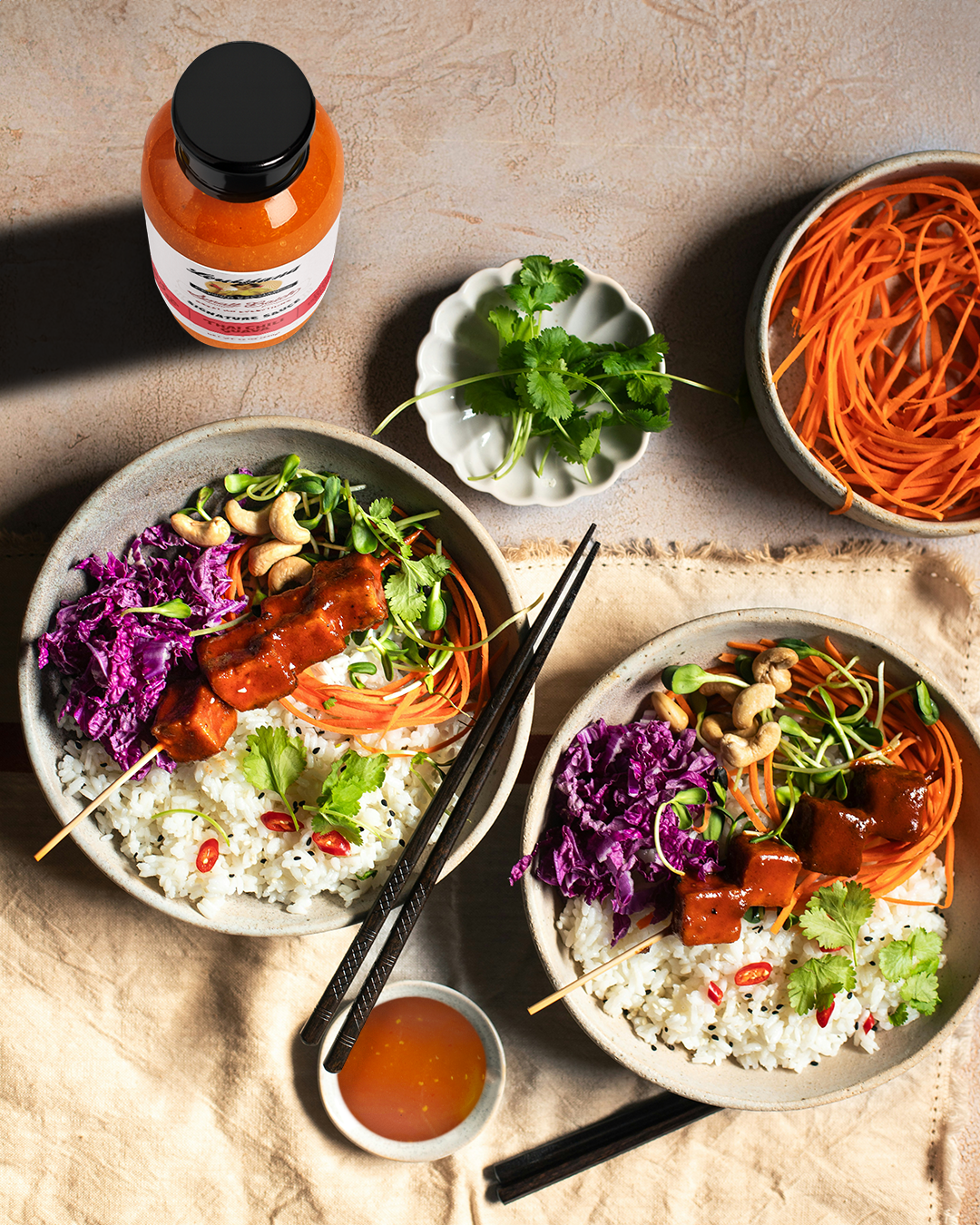
Beyond Pure Heat: How Smoke is Elevating Spicy Flavor in 2026
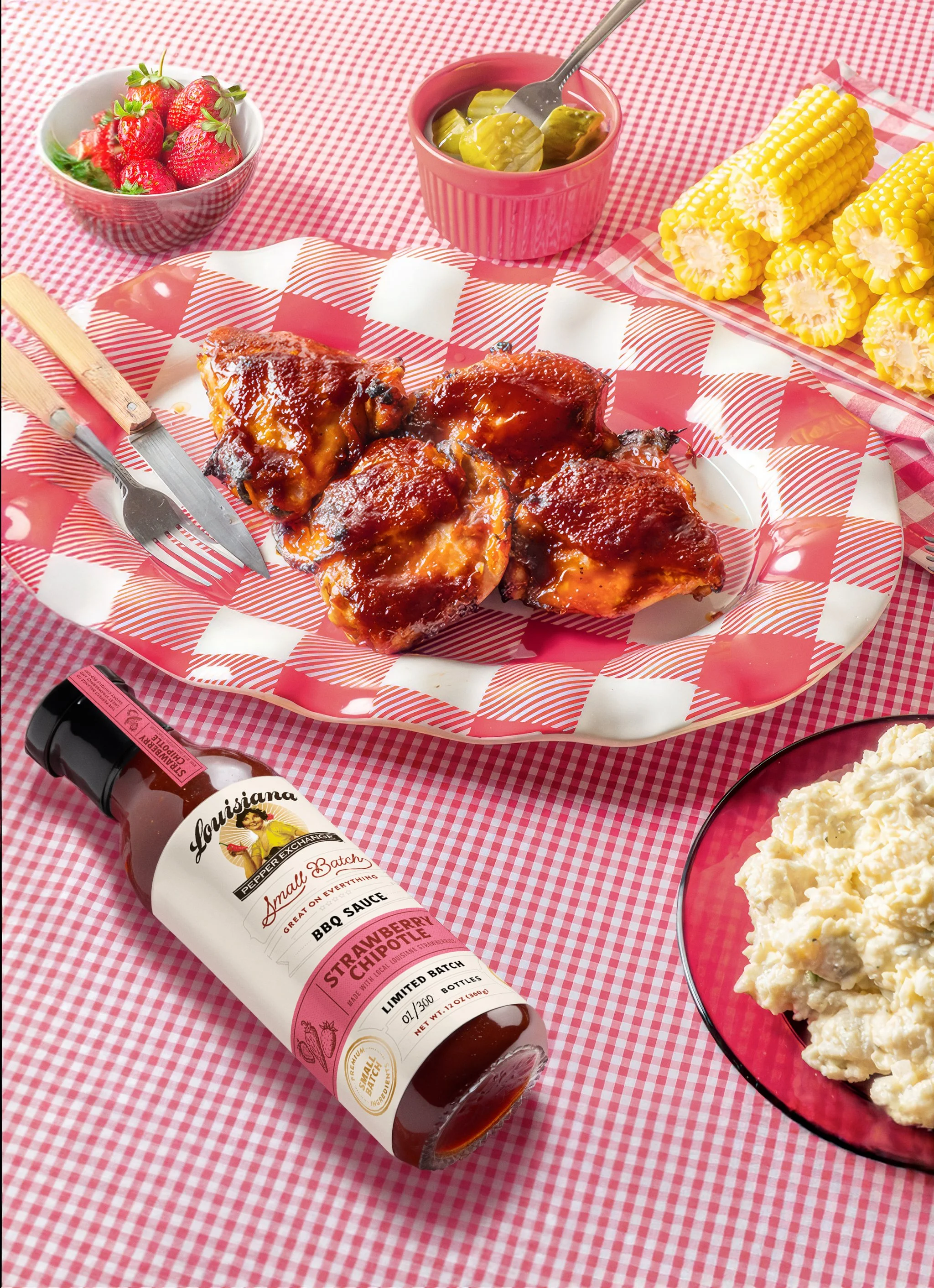
Louisiana Pepper Exchange’s Smoky Strawberry Chipotle BBQ Sauce
“Hot” used to be enough. In 2026, it isn’t.
Consumers still crave spice, but they no longer want heat that exists in isolation. Today’s most successful spicy products pair heat with intentional flavor layers, and smoke has emerged as a key player. It adds warmth, depth, and a tactile sensation that transforms a fiery bite into a culinary experience.
The Shift Toward Smoked Heat
For years, extreme spiciness acted as a shortcut: higher Scoville = more excitement. But as global flavors have become more accessible, consumer expectations have evolved. Modern heat is expected to:
Taste good, not just burn
Integrate with other flavors
Feel deliberate and culinary, not gimmicky
Heat without complexity is increasingly perceived as incomplete. Smoke, however, brings a natural depth that complements heat, creating a rounded and memorable flavor profile.
Why Smoke Matters in Flavor Complexity
Smoked spice isn’t just about adding “roasted” notes. It builds layers that make heat feel purposeful. Brands are pairing chili with smoke to:
Add warmth that lingers alongside heat
Introduce subtle sweetness or earthiness
Enhance savory and umami elements
Give sauces and condiments a signature aroma and finish
By combining chili and smoke, products transform from a simple sensation into a story your palate remembers.
Consumer Response to Smoky Heat
As consumers explore spicier foods more frequently, they’re looking for repeatable, satisfying experiences, heat they want to return to, not just survive. Smoke achieves this by:
Softening the perception of extreme heat
Making flavor multi-dimensional rather than one-note
Creating signature profiles that feel premium and intentional
Products with smoky heat encourage loyalty, perform better in gourmet or specialty categories, and can translate across cooking applications from snacks to sauces to marinades.
What This Means for Brands
Winning in 2026 requires thinking of smoke as an ingredient, not a gimmick. Successful products will:
Pair smoked peppers or chili purées with complementary flavors
Layer natural smoke, roasted elements, or smoked aromatics
Deliver consistent depth and warmth at scale
When heat and smoke are designed together, they become a tool for differentiation, elevating spice beyond pure intensity.
The Future of Heat Is Smoked and Flavor-Led
Spice isn’t losing relevance, it’s gaining nuance. Brands that invest in smoky complexity will define the next era of heat, creating products that are bold, balanced, and built for long-term enjoyment.
Continue Reading